


| Issue |
Manufacturing Rev.
Volume 13, 2026
|
|
|---|---|---|
| Article Number | 8 | |
| Number of page(s) | 24 | |
| DOI | https://doi.org/10.1051/mfreview/2025031 | |
| Published online | 25 February 2026 | |
Review
A review on low-density steels: effect of processing techniques and parameters on microstructure, and mechanical properties
1
Centre for Nanoengineering and Advanced Materials Research, Department of Metallurgy, University of Johannesburg, South Africa
2
School of Chemical and Metallurgical Engineering, University of the Witwatersrand, Private Bag X3, Johannesburg 2050, South Africa
3
Deaslovka Mining Innovation Centre, Australia
* e-mails: This email address is being protected from spambots. You need JavaScript enabled to view it.
; This email address is being protected from spambots. You need JavaScript enabled to view it.
Received:
18
February
2025
Accepted:
18
December
2025
Abstract
This review traces the evolution of low-density steels (LDS) and highlights the key mechanisms that link processing routes to microstructural evolution and performance. Beyond fabrication methods, the article emphasizes the fundamental insights that have emerged, particularly the roles of metal carbide/intermetallic network control, segregation mitigation, and grain refinement that govern the unique behavior of LDS across processing routes in achieving superior mechanical behavior. A key insight from the literature is the exceptional potential of mechanical alloying combined with spark plasma sintering to produce ultrafine and highly homogeneous LDS microstructures that are unattainable through traditional melting routes. The review also identifies the emerging role of near-net-shape casting and additive manufacturing as transformative technologies capable of overcoming longstanding challenges related to defects, compositional inhomogeneity, and geometric limitations. Overall, the review emphasizes that optimized processing strategies and parameter control will be crucial to enhance efficiency, unlocking superior mechanical properties and realizing the full lightweight potential of LDS in advanced engineering applications.
Key words: Low-density steels / Fe-Mn-Al-C alloys / production techniques / microstructure / mechanical properties
© O.J. Lawal et al., Published by EDP Sciences 2026
 This is an Open Access article distributed under the terms of the Creative Commons Attribution License (https://creativecommons.org/licenses/by/4.0), which permits unrestricted use, distribution, and reproduction in any medium, provided the original work is properly cited.
1 Introduction
Low-density steels (LDS) are lightweight Fe-Mn-Al-C-based alloys that have received considerable attention over the years due to their significant potential as structural materials for various applications. These include applications in advanced transportation manufacturing such as automotive, aerospace, naval vessels, and modern high-safety-standard trains [1–4]. In addition to these areas, there have been reports suggesting potential multifunctional applications in the storage and transport of liquid gases, such as in cryogenic systems [5–7], high-temperature oxidative environments, and non-critical or selective corrosive environments where highly corrosion-resistant Fe-Cr-Ni-based stainless steel (SS) alloys are not required [2,8]. Additionally, various studies have shown that Fe-Mn-Al-C-based alloys possess outstanding mechanical properties, such as excellent ductility, toughness and strength, low density, and a low elastic modulus [9–11]. The basic raw materials are cost-effective elements that are more readily available than those used in producing conventional stainless steels, titanium-based alloys, and cobalt-based alloys [12,13]. With such a wide range of properties and advantages over other alloys, LDSs are becoming increasingly appealing for various industrial applications. Researchers have also shown that LDS can be used as a functional material for biomedical implant applications due to its superior mechanical properties, dependable corrosion resistance, low cost, and low toxicity in comparison to high-density implants such as traditional stainless steel [14–16]. Notably, this alloy has been reported to exhibit a lower elastic modulus than 316L stainless steel and cobalt-based alloys [9–11]. This property also makes it a promising candidate for biomedical applications if thoroughly investigated.
From a historical perspective, the development of Fe−Mn−Al−C-based steels dates back to 1882, when it was first developed as Fe–Mn–C steel by Robert Hadfield [17–19]. However, this alloy remained relatively unknown as lightweight steel until the 1930s when Korter and Ton proposed a low-density steel concept by adding Al to a Hadfield steel (Fe−Mn−C) to form quaternary Fe-Mn-Al-C steel for the first time [4,18,20]. Following the high cost of chromium and nickel in producing stainless steel, Ham and Carin in the early 1950s proposed substituting lighter and cheaper Al and Mn [21] in place of high-price Cr and Ni in Fe−Cr−Ni-based stainless steels for energy savings, environmental protection, and economic reasons in automobile structural applications. However, despite successfully replacing Cr and Ni with Al and Mn in Fe−Cr−Ni-based conventional stainless steels, the results did not practically reflect the influence of Cr and Ni as in the case of Fe−Cr−Ni-based stainless steels due to low elastic modulus (low stiffness and poor crash performance) and poor corrosion resistance, particularly in chloride and sulphate bearing media [22–25]. As a result, the application of LDS has been largely limited for their intended design purposes i.e. automobile application. Researchers have shown little interest in developing lightweight Fe-Mn-Al-C-based steel for structural lightweight transportation systems. This means that to harness Fe-Mn-Al-C-based alloys for their intended design purpose while maintaining lightweight properties, it’s necessary to enhance the stiffness of LDS. This can be achieved by decreasing the thickness of the material. However, this approach is not sustainable for strengthening LDS. Reducing weight through gauge reduction leads to a significant loss in stiffness, lowers overall material quality, and compromises user safety, making it unsuitable for lightweight applications that require impact resistance, such as automobiles [26]. The second approach is to partially incorporate small quantities of elements such as Ni, Cr, or Mo to LDS to enhance the elastic modulus and corrosion resistance. Some researchers have successfully addressed this issue by adding a low concentration or small amount of highly passivated elements such as Cr, Mo, and Ni into LDS in an amount not more than 6 wt% without sacrificing both the lightweight and good mechanical properties [8,27–32]. It was found that the corrosion resistance surpassed that of ferritic stainless steel (409L,430) and was comparable to 304 and 316L austenitic stainless steel when tested in 3.5 wt% NaCl solution. This suggests that this alloy can be used instead of ferritic and austenitic stainless steel in certain applications. However, adding Cr or Mo above the stated thresholds promotes the formation of intermetallic compounds such as M3C, M7C3, and M23C6 which are detrimental to corrosion resistance. Tang et al [25] investigated the role of Cr and Mo in Fe−Mn−Al−C steel in a solution containing 3.5 wt% NaCl and 1 wt% NaHSO3. The authors found that adding Cr and Mo enhances the hardness and toughness of Fe−Mn−Al−C-based steel.
Opiela et al. [24] and Aperador et al. [33] suggested that electro-galvanising techniques and coatings could effectively mitigate the low corrosion resistance of Fe-Mn-Al-C-based steel and still retain the lightweight characteristic. Moreover, other authors have also recommended that surface modification such as gas and plasma nitriding enhance the low corrosion resistance that has restricted the industrial use of LDS alloys [25,34,35]. This remarkable breakthrough in achieving high corrosion resistance in LDS marks a significant advancement toward replacing expensive alloys such as titanium alloys, cobalt-based alloys, and Fe-Cr-Ni-based stainless steels, which are widely used in corrosion-resistant structural systems. This is especially relevant for demanding applications, such as those in the automotive, aerospace, and biomedical industries [15]. Therefore, it is envisaged that LDS, with its excellent biocompatibility, outstanding corrosion resistance, and excellent mechanical properties, can be repurposed for clinical applications beyond transportation systems.
Over the past decades, several LDS steels have been explored for lightweight industrial applications and recently, for potential clinical applications. However, despite having excellent mechanical properties, achieving the optimal mechanical properties tailored for specific industrial applications has remained challenging. These challenges arise during the production and processing of LDS due to excessively low or high alloy concentrations and the improper selection of production processes and techniques tailored specifically for LDS [36]. Consequently, the formation of precipitates, including intermetallic compounds and carbides, can promote crack formation during processing, which ultimately affects the material’s final mechanical properties [37]. As a result, material scientists and engineers are often compelled to redesign components and production processes to eliminate metallurgical defects to achieve optimal performance. Hence, the mechanical properties of LDS, which depend on the concentration of the alloying elements and production processes, must be carefully controlled to achieve the desired optimal properties [38–41].
Among the various production methods for LDS alloys, casting is the most frequently reported production method for LDS alloys at the laboratory scale. A few studies also document the use of additive manufacturing (AM) [42–48], as well as mechanical alloying (MA) [49] and spark plasma sintering (SPS) [50,51] or a combination of both processes [52,53]. However, near-net-shape casting and metal additive manufacturing (also known as metal 3D printing) have been proposed as alternatives to conventional casting and other powder metallurgy methods. These manufacturing technologies have simplified the fabrication of various metal components, increasing efficiency, enhancing material properties, reducing downtime and material waste, boosting productivity, and improving overall quality [45,54]. This innovation has emerged as the most intriguing research focus in lightweight industrial manufacturing, where weight reduction is crucial, particularly for high-cost applications such as automotive, aerospace, and biomedical engineering [27,55,56].
Additionally, it has broadened the range of production processes available for LDS, supporting the development of LDS with exceptional mechanical properties for many applications. Thus, selecting or upgrading existing manufacturing processes and techniques is crucial for improving efficiency and enhancing mechanical performance to suit the targeted applications.
Therefore, this review aims to enhance understanding of the impact of production techniques on the microstructure and mechanical properties of LDS. It examines the limitations of various production methods to optimize the mechanical properties of LDS. A detailed investigation of how different production techniques affect the microstructure and mechanical properties will be discussed in subsequent sections.
2 Production of LDS for lightweight structural applications
This section provides an overview of various processing techniques typically employed for LDS production, emphasizing their benefits, limitations, and their influence on microstructure and mechanical properties. It focuses on casting, mechanical alloying, and additive manufacturing processes. Although none of these manufacturing techniques are without challenges, some show promising developments, particularly in achieving desirable microstructure and mechanical properties. Several processing routes can be used to develop LDS. The most common production techniques widely reported in the literature for the fabrication of LDS are through the casting process. This may be attributed to the easy accessibility of equipment for fabricating simple geometries, whether at small-scale laboratory research, semi-industrial production levels, or large-scale operations where the geometries are less complex. The following sections provide a concise overview of each processing route and its influence on the microstructure and mechanical properties. While not intended as a comprehensive review, this section emphasizes the most effective approaches for fabricating LDS. It outlines strategies for optimizing processing routes to achieve the desired microstructure and mechanical performance. In addition, it also addresses the challenges and opportunities associated with different techniques, with particular focus on potential limitations and their possible solutions during manufacturing.
2.1 Production of LDS using casting
Casting is a traditional manufacturing process extensively used for fabricating metals and alloys, including LDS. Of the different casting routes, vacuum arc melting (VAM) [57–59] and vacuum induction melting (VIM) [28,54,60–62] have emerged as the most widely adopted techniques for the processing of LDS alloys. Their popularity stems from their ability to ensure chemical homogeneity, minimize contamination, and provide superior control over solidification.
VAM and VIM techniques involve melting a charge in an argon-protected atmosphere and casting it into a water-cooled copper mold. This is typically followed by secondary melting (remelting) and solidification processes to ensure the chemical homogeneity of the alloys [63]. They are considered the most widely employed techniques to fabricate metal and other alloys, particularly for small-scale laboratory research and semi-industrial-scale production [10,64,65]. This is because it is comparatively simpler to operate and provides additional scope for further improvement of properties through heat treatment. Additionally, it was found that casting using VIM or VAM is the most cost-effective process [66]. The equipment is less expensive, particularly for small businesses and individual users, compared to additive manufacturing machines, and it allows for a high degree of control over the microstructure [67]. However, He et al. [26] argue it is inefficient due to the high energy requirements for heating and cooling. Furthermore, alloys developed through conventional manufacturing methods, such as casting, require more time and further processing, such as machining, deformation, forging, or rolling, especially when producing complex components to attain a uniform microstructure and desired mechanical properties [68]. A typical example of the post-casting process is shown schematically in Figure 1.
Several challenges associated with Fe-Mn-Al-C-based alloy fabricated through conventional casting have been reported in the literature. Defects such as elemental segregation, inhomogeneities in the as-cast microstructure, microporosity, and excessive grain growth contribute to poor mechanical properties, which adversely affect the durability and performance of LDS [26,69–72]. Rott et al. [70] and Mahlami & Pan [73] reported the formation of B2-ordered FeAl-type or DO3-ordered Fe3 Al intermetallic and carbide phases (MxCy) in LDS fabricated by conventional casting. These undesired metal carbides, such as M3 C, M7 C3, and M23 C6, can act as preferential sites for pitting corrosion and crack initiation. As a result, they degrade mechanical properties and overall performance, which can lead to premature component failure or reduced material reliability. Shin et al. [74] reported defect formation in low-density steels produced by casting when high Al and Mn contents are used, which leads to the precipitation of a brittle intermetallic phase along grain boundaries during aging at temperatures above 550°C. Liu et al. [75] reported similar findings in austenite-based LDS produced by conventional continuous casting with high Al and Mn contents, where the formation of undesirable brittle intermetallic phases was observed. These phases were identified as the primary cause of reduced ductility and an increased tendency for cracking in LDS [76]. Several studies have documented the occurrence of cracks in the as-cast structure during hot and cold rolling, which have been primarily attributed to high aluminum and manganese contents [26,65,77–79]. Details on how these metal carbides (MxCy) affect the service life of LDS after casting, arising from the addition of passivated alloying elements such as Cr/Mo beyond the required threshold, have already been explained in the introduction of this manuscript, along with the recommended solution. A typical example of a defect arising from brittle intermetallic and metal-carbides formation when high amounts of passive alloying elements such as Cr and Mo are used during the casting of LDS is shown in Figure 2. Further processing with appropriate heat treatments, such as annealing and hot deformation, can be employed to eliminate or suppress intermetallic compounds and carbide phases, thereby enhancing the mechanical properties of LDS [26, 68–70, 72, 80]. Our findings have shown that specific annealing parameters could dissolve the carbides to achieve the desired microstructure and mechanical properties. Mahlami & Pan [73] recommend a solution heat treatment between 1000°C and 1100°C to eliminate unwanted carbides or intermetallic compounds such as M3 C, M7 C3, and M23 C6. Similarly, Astudillo et al. [17] suggest that homogenization treatments at or above 1050 °C, followed by water quenching, are typically recommended to dissolve metal carbides and create a uniform microstructure. These also align well with the conclusions of Mohammadnezhad et al. [81], who investigated ferroalloy materials, i.e., medium manganese austenitic steels containing manganese, silicon, molybdenum, and carbon. The authors cautioned that exceeding this temperature range during solution treatment should be avoided, as carbon segregation can lead to incipient melting, scaling, and decarburization.
Several solutions have been proposed in the literature to control or eliminate porosity during casting. However, before making a recommendation, it is essential to understand the underlying causes and origins of porosity. Porosity can arise from trapped air and gases, solidification shrinkage, or the formation of non-metallic compounds, which occur while the metal is in its liquid state [76, 84–87]. However, combining hot extrusion and hot forging can help significantly reduce porosity and promote a more homogeneous microstructure [41]. Prasad et al. [67] recommended that alloy melting should always be carried out under an argon atmosphere to minimize the risk of hydrogen pick-up and, consequently, gas porosity. They further advised that moisture must be completely avoided during melting, and any gas generated from the reaction of alloy elements should be evacuated during the melting process to prevent the formation of porosity that arises from gas.
Furthermore, cracks have been observed in the as-cast structure during hot or cold rolling, attributed to high aluminum and manganese content [26,65,77–79]. A similar defect was also observed by Liu et al. [75] when producing austenite-based low-density steels with high Mn and Al contents through conventional continuous casting. The authors noted that severe edge cracks may develop in the slab during hot rolling due to the steel’s relatively low thermal conductivity and high deformation tendency. However, these defects can be minimize by optimizing the aluminum and manganese concentrations. Xia et al. [79] and Alhamdi et al. [54] also reported cracking associated with Fe−Mn−Al−Ni-based LDS during water quenching. To mitigate this, they recommended raising the quenching temperature while slowing the quenching rate, both of which were found to be effective in significantly minimizing cracking.
To address the aforementioned defects, many scientists have begun re-investigating existing fabrication techniques for LDS. This effort has become essential to effectively addressing the challenges associated with conventional manufacturing processes, such as VIM and VAM, while also advancing the development of new methods that involve innovative approaches. Near-net shape (NNS) casting technologies have also been recommended as a novel, simple, and competitive alternative method for fabricating LDS with fewer to no defects compared to traditional ingot methods [65,75,88,89]. These casting methods enable near-net-shape fabrication of components that are otherwise challenging to produce by conventional routes, such as VIM and VAM. It minimizes downstream processing steps, requiring little to no additional post-processing, reduces labor and raw material consumption typically associated with these steps, lowers energy usage, and enables the creation of metastable alloys with unique properties [65,88,90–92]. Other advantages of using NNS casting have also been reported, which would be particularly beneficial for low-density steels. The high cooling rates (>50 °C/s) help refine the grain structure [89], thereby enhancing mechanical properties such as ductility, strength, and fatigue resistance compared to conventional casting methods like VIM and VAM [93]. In addition, the NNS casting processing route minimizes or eliminates the stresses imparted on the steel during casting, thereby reducing the likelihood of hot tearing/cracks, inclusions, blowholes, and shrinkage porosity, which are particularly severe in LDS with high Al and Mn content [26,65,77–79, 89,93]. Table 1 presents a consolidated process-microstructure-property map comparing traditional and advanced fabrication routes for low-density steels. Table 2 provides a more detailed comparison, highlighting the advantages of NNS casting and other advanced processing techniques over conventional manufacturing methods. In a study by He et al. [26], the microstructure and mechanical performance of as-cast Fe−12Mn−9Al−1.2 C steel produced through centrifugal casting using a near-net-shape rapid solidification method were investigated. The results showed that the as-cast steel produced through near-net-shape rapid solidification exhibited excellent mechanical properties, achieving a yield strength of 1012 MPa and an ultimate tensile strength of 1182 MPa. With further aging, the mechanical properties improved significantly. At 400 °C, the alloy reached a yield strength of 1124 MPa and an ultimate tensile strength of 1266 MPa. When aged at 600 °C, the strengths increased even further, reaching 1316 MPa and 1393 MPa, respectively. For comparison, the same alloy composition produced by a conventional ingot-based manufacturing route showed much lower values of a yield strength of 670 MPa and an ultimate tensile strength of 920 MPa. A similar study by Liu et al. [75] also reported notable improvements in mechanical properties when the alloy was fabricated using NNS under near-rapid solidification conditions. At 400 °C, the alloy exhibited a yield strength of 607 MPa, an ultimate tensile strength of 965 MPa, and a microhardness of 275 HV. At 600 °C, these values increased to 846 MPa, 1003 MPa, and 375.7 HV, respectively. At 800 °C, the corresponding values were 662 MPa, 1008 MPa, and 314.6 HV. When compared to an alloy of similar composition produced through traditional fabrication methods, it shows a yield strength of 593 MPa, an ultimate tensile strength of 951 MPa, and a microhardness of 275 HV. The NNS-processed alloy demonstrated superior performance across all tested temperatures. Table 3 presents comparative data highlighting the key mechanical properties of LDS fabricated via NNS relative to other processing techniques. According to the available data (Tab. 3), most alloys produced using NNS demonstrate excellent mechanical properties, often surpassing those achieved through other processing routes. Therefore, this finding indicates that near-net-shape casting under rapid solidification conditions provides a cost-effective processing route for Fe−Mn−Al−C steels. It minimizes material waste and reduces the formation of defects. In addition, this approach can produce components with mechanical properties that are comparable to, or even superior to, those obtained through VIM and VAM.
It is worth noting that NNS fabrication has been widely employed to produce high-performance components for critical applications, particularly in the automotive and other industrial sectors [94–96]. However, its primary limitation lies in the limited scalability for producing large components, thereby underscoring the need for further investigation. This technology is rapidly evolving as an alternative manufacturing process capable of producing a wide range of components and parts. When exceptional mechanical properties are required, particularly those associated with significant grain refinement to sub-micrometer or even nanocrystalline structures, it becomes essential to explore alternative manufacturing methods beyond conventional casting. Conventional ingot production techniques, such as arc melting, often result in large grain sizes or significant grain growth, which adversely affect the mechanical performance of LDS [97]. To address this limitation, an alternative processing route that promotes grain refinement should be considered. In this context, mechanical alloying combined with spark plasma sintering presents a promising approach for fabricating alloys with refined microstructures. This process will be discussed in detail in the next section.
To sum up, when designing LDS through casting, it is essential to apply suitable production techniques and heat treatments to overcome the limitations of traditional techniques, such as VIM or VAM, to achieve the desired microstructure and mechanical properties. A near-net shape-casting technology involving rapid solidification is recommended for LDS. This method produces the desired ultrafine-grained microstructure with metastable phases while minimizing elemental segregation and reducing microstructural defects. As a result, it enhances mechanical properties that are significantly better than those obtained using VIM or VAM. The introduction of near-net shape casting as a production process for manufacturing components reduces the need for downstream processing steps, often requiring little to no additional post-processing. This results in lower energy consumption, reduced material waste, and shorter machining times.
 |
Fig. 1 Schematic representation of a typical conventional thermomechanical processing route for low-density steels. |
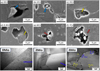 |
Fig. 2 SEM micrographs showing the evolution of secondary phases in Fe−Mn−Al−C low-density steel when Cr(e and f) and Mo content were added beyond the recommended threshold [82,83]. |
Summary of process–microstructure–property map between traditional and advanced fabrication methods for LDS.
Summary of comparative analysis of manufacturing techniques between traditional and advanced fabrication methods for LDS.
Summary of microstructure-related mechanical properties of LDS fabricated by different processing techniques.
2.2 Production of LDS using mechanical alloying and spark plasma sintering
Mechanical alloying (MA) technology is a powder metallurgy (PM) technique for fabricating a variety of alloys of advanced engineering materials using a high-energy ball mill [66,110]. The MA technology can be employed to create alloys and compounds that are challenging or impossible to achieve through traditional melting and casting methods [110]. During MA, fine elemental and compound powders are mixed in a ball mill at room temperature to achieve a homogeneous chemical composition [111]. This is followed by repeated cold welding, fracture, and re-welding to form larger particles. Once the particles become too large, the milling process breaks them into smaller particles to create a single uniform composition [66]. These processes continue until alloying takes place. Mechanical alloying offers numerous advantages over other fabrication techniques for alloy production. For example, Pilarczyk et al. [112] reported that MA eliminates chemical segregation and large grain boundaries while enhancing solid solubility. Additionally, Krifa et al. [113] highlighted that MA provides a simpler method for producing materials with a broader range of compositions. Furthermore, Fair & Wood [114] stated that, in addition to being a solid-state technique, MA typically bypasses the oxidation of low-melting-point alloying elements, which can occur due to significant differences in melting points during melting and casting. In addition, MA in combination with SPS produces highly refined microstructures (submicron or nanocrystalline) with tailored properties by adjusting milling and sintering parameters. Although MA is susceptible to contamination from the milling media or the surrounding atmosphere, especially during prolonged milling [115]. However, despite this drawback, its advantages generally outweigh these limitations, making it a valuable technique for alloy fabrication. Gao et al. [116] reported an effective way to minimize alloy contamination in MA. The authors recommend selecting suitable milling media (process control agents, ball, and vial composition) and performing the milling in a high-purity inert gas or vacuum. In contrast, Liu et al. [117] reported that some researchers prefer to exclude milling media or PCA (e.g., ethanol, methanol, stearic acid, and toluene) to minimize carbon contamination. However, PCA has its unique function during MA as it helps to prevent or minimize cold welding, reduce excessive heat generation, and minimize powder agglomeration on the milling balls and container walls during milling [118–120].
Extensive research has been conducted on the processing of various alloy systems through mechanical alloying, emphasizing its versatility and effectiveness as a fabrication technique. However, no literature has been found reporting on the preparation of Fe−Al− Mn−C-based alloys through MA. The limited reports available primarily focus on the related family of Fe−Al−Mn−C-based alloys, specifically binary iron-aluminum intermetallic alloy systems (FeAl and Fe3 Al) or iron-aluminum alloys containing any other third alloying element, which are typically fabricated under various milling conditions [49,112,113]. These milling conditions include the type of mills (e.g., high- or low-energy), the material of the milling tools (stainless steel, hardened steel, tungsten carbide, or ceramics), the milling media used (balls or rods, with or without lubricants), the milling atmosphere (inert gas, nitrogen, or air), the milling environment (wet or dry), the media-to-powder weight ratio, as well as the milling temperature and duration [110,121]. All these factors are crucial in alloy fabrication. Notably, some studies have reported the fabrication of LDS using a MA followed by consolidation via SPS [36,52,53,108]. Pilarczyk et al. [112] produced a ternary Fe8 Al67 Ti25 alloy after 100 h of dry milling in an argon atmosphere with a ball-to-powder ratio of 8:1. Contrary to expectations, given the extended milling duration, the results indicated a change in the microstructure from laminar to a uniform homogeneous microstructure with the desired composition, free from impurities and unwanted phases in the milled powder samples. Hence, the primary purpose of prolonged milling is to decrease the size of the milling power to achieve the desired microstructure and targeted physical and mechanical properties, as noted by [122–126]. Chihuaque et al. [36] examined the microstructural evolution of Fe3 Al−X(X=Li, Ni, or C) intermetallic powders produced via mechanical alloying. These alloys were formed via sintering after 7 h of milling, with methanol used as the PCA to prevent the powder from sticking to the milling balls and container walls. The microstructure of the sintered Fe3 Al−X alloys after MA is shown in Figure 3.
It was observed that the alloy microstructure containing Li and Ni elements exhibited a finer grain size, with smaller grains (3−4 μm) interspersed among larger grains (greater than 10 μm). Figure 3 shows that the optimal sintering conditions were achieved in samples alloyed with Ni and Li, followed by those with C, and finally in Fe3 Al without a third alloying element. This improvement is likely due to the smaller particle size achieved through mechanical milling before the sintering process. Haušild et al. [127] and Nováka et al. [128] have also recommended that developing an alloy within a short processing time, typically around 4 h via mechanical milling and an extremely high ball-to-powder ratio (50-70:1) should be applied, along with a high rotational velocity (400−600 rpm). This recommendation aligns with the findings of Nová et al. [129], that successfully prepared Fe20 Al20 Si steel in 4 h using a milling rotational speed of 400 rpm.
Similarly, Novák et al. [125] investigated short-time ultra-high energy milling of the Fe10 Al60 Cu30 alloy using a ball-to-powder ratio of 70:1 operating at a constant rotational velocity of 400 rpm. After 60 min of MA, a small amount of a stable CuA12 phase was formed. Extending the milling time to 90 min resulted in a completely different phase composition, with the ordered FeAl phase dominating and coexisting with the Fe10 Al60 Cu30 icosahedral quasicrystalline phase. Further milling for 120 min produced a powder consisting of the Fe10 Al60 Cu30 quasicrystalline phase along with stable FeAl and FeA17 Cu2 phases, as shown in Figure 4.
However, different studies vary the ball-to-power ratio (BPR) or charge ratio (CR), but 10: 1 is commonly and widely used, which is highly effective during the milling process in most cases, as can be seen in Table 4 [128]. Apart from the ball-to-powder ratio (BPR), the milling duration can also vary depending on the type of mill, the material of the bowl and balls, the initial powder size, and the milling temperature. Haghighi et al. [122] investigated the structural evolution of a Fe-50Al alloy using a BPR of 50: 1 with hardened steel balls operating at 300 rpm under different milling times. The results obtained from scanning electron microscope in Figure 5 show that milling for 80 h produces a much finer microstructure compared to milling for 15 min or 1 h. This indicates that the powder structure is refined at 80 h of milling compared to a lower milling time under the same conditions. Therefore, it can be concluded that the milling parameters and milling media play a significant role in determining the final microstructure and mechanical properties of the fabricated alloy.
Krifa et al. [113] investigated the phase transformations Fe-30Al-20Cu during mechanical milling in an argon atmosphere using a ball-to-powder weight ratio of 12:1 and a rotation speed of 700 Ω disc and milled for 50 h. Before milling, the elemental powder particles of Fe, Al, and Cu appear separately with irregular shapes, as shown in Figure 6a. After 6 h of milling, the microstructure revealed that the initial shapes of the powders had transformed into a composite structure, as illustrated in Figure 6b. An increase in particle size is observed, indicating the primary welding of tiny particles to the surface of larger particles during the subsequent milling, with the particle size ranging from 10 to 50 μm. As the milling time increases to 30 h (Fig. 6c), the powders tend to agglomerate due to cold welding, forming larger particles of approximately 70 μm. Further milling for 42 h results in roughly spherical agglomerated particles, with a size distribution ranging from 15 to 50 μm.
This suggests that MA can be employed as an alternative technique to produce desirable ultrafine or nanocrystalline microstructure through a solid-state processing route, particularly when it is practically impossible to produce them through conventional means such as casting or hot rolling. However, it is important to note that none of these fabrication processes are entirely free from defects if the appropriate parameters are not properly controlled during fabrication. Sinha et al [141] produced Fe-4Mn-9Al-0.3C alloy in a Retsch planetary ball mill using a ball-to-powder ratio of 10: 1 at 300 rpm and milled for 50 h, and subsequently consolidated by SPS machine at 60 MPa. Scanning electron microscopy revealed the presence of pores in the fabricated alloy after sintering at 1000 °C, as shown in Figure 7. This observation was consistent with the findings of Xie et al. [142], who investigated a Fe-Mn-Al-C alloy subjected to mechanical milling followed by SPS consolidation. A similar phenomenon was observed when Zhuang et al. [126] investigated high-Mn and high-Al steel using MA and followed by sintering at a high temperature of 1200 °C. The authors observed that the pores formed when the material was sintered at 1200 °C were more predominant and significantly larger than those formed when sintered at 640 °C. This may be attributed to the sublimation of Mn when sintered at high temperatures. This implies that when LDSs are sintered at high temperatures above 1000 °C, pores are formed due to the sublimation of Mn. The morphology, size distribution, and connectivity of the pores further indicate incomplete densification at this temperature. Therefore, to minimize defects in alloys fabricated using MA and SPS, it is essential to select the optimum milling conditions, such as time and type of mill, milling atmosphere, ball to powder weight ratio, grinding medium, as well as the type of PCA for a specific alloy and the optimum parameters for the SPS process.
In summary, mechanical alloying is an important technique for fabricating alloys, including LDS, when conventional processes are not feasible. However, for LDS, this method has predominantly been applied to fabricate binary or ternary alloys within the LDS family, and there are no documented reports in the literature on the production of Fe−Mn−Al−C− based alloys containing multiple alloying elements (i.e., quaternary or quinary LDS alloys). It is believed that MA could provide new opportunities for fabricating alloys, particularly LDS, which has been characterized by defects arising from conventional fabrication processes. To establish MA as one of the most widely adopted techniques for producing a variety of LDS alloys with superior properties compared to traditional casting methods, further research into the fabrication of LDS alloys with multiple alloying elements is essential.
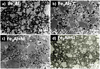 |
Fig. 3 SEM micrographs showing the influence of solid-state sintering on the resulting microstructure of mechanically alloyed Fe3 Al-based alloys with different alloying elements [36]. |
 |
Fig. 4 Microstructure of the Fe10 Al10 Cu30 alloy powder prepared by mechanical alloying (a) for 90 min, and (b) for 120 min [125]. |
 |
Fig. 5 SEM micrographs of compacted and polished powder samples illustrating the effect of milling duration on particle morphology and surface characteristics after (a) 15 min, (b) 1 h, and (c) 80 h of milling [122]. |
Shows process parameters and media used for the fabrication of LDS using mechanical milling.
Shows some of the process parameters used for the fabrication of LDS using Selective laser sintering.
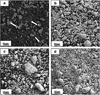 |
Fig. 6 Microstructure of the powder mixture of Fe, Al, and Cu milled for (a) 0 h, (b) 6 h, (c) 30 h, and (d) 42 h [113]. |
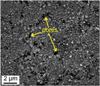 |
Fig. 7 SEM micrograph showing residual pores formed during the solid-state sintering of the alloy sample at 1000° C[141]. |
2.3 Production of LDS using additive manufacturing
Additive manufacturing (AM) is a process that has the advantage of producing complex geometries of 3D structures in a layer-by-layer fashion to form a desired shape based on computer-aided design (CAD) models, which cannot be achieved through conventional manufacturing processes [68,143]. In additive manufacturing, localized high-energy heating sources, such as laser, electron beam, electric arc, or plasma arc, are commonly used to melt and fuse powder, wire, or sheet-fed materials, depending on the type of AM employed [144–146].
In the past, the fabrication of LDS and other alloys was typically best achieved through casting [48,54]. However, it is practically impossible to produce an intricate structure, a ready-to-use structure, through methods such as casting, sintering, or mechanical alloying. AM offers a promising solution. The precision of design, mass production capabilities, and product uniformity achievable with AM are difficult to replicate using conventional manufacturing techniques. Consequently, AM technologies have gained significant traction due to their numerous advantages, including design flexibility, cost savings, faster production times, rapid prototyping, efficient part and assembly iteration, reduced waste, and lower energy consumption [45,54,147]. These benefits have driven the recent surge in AM applications, particularly as the demand for more complex components in high-performance applications increases.
Although only a limited number of research papers have been published on LDS fabricated using AM [42–48,148]. Several factors may be responsible for this. One possible reason is the difficulty in determining the appropriate range of process parameters for LDS that can yield defect-free or minimally defective parts with the desired microstructure and mechanical properties for their intended applications. Another possible reason might be the high complexity of the AM process and the fact that it is a relatively new technology for fabricating alloys. Also, the high procurement cost of AM machines, combined with expensive maintenance and a shortage of technical experts for repairs, may be among the reasons researchers avoid using AM for fabricating components and parts. Furthermore, accurately mastering the concentration of each element may pose a challenge in achieving the desirable mechanical performance for the intended applications [148]. Pollock et al. [149] also concluded that most currently available LDS powder alloys may not be specifically designed for the AM process. These alloy powders that are currently available were generally designed for specific thermomechanical processing, which typically aligns with traditional manufacturing processes.
Hence, the compatibility of the alloy powder must be guaranteed throughout all processing routes, which could prevent the potential of LDS from being fully exploited in AM. One exception to lightweight alloys that are specifically developed for AM, which are relatively easy to fabricate is Scalmalloy (scandium, aluminium, and magnesium) [45,150,151]. Other lightweight alloys, such as titanium, aluminum, and magnesium have also been successfully fabricated using AM [64,152,153].
Therefore, when developing new materials using AM technologies, it is essential to ensure that alloy powders are compatible with these technologies and can be fabricated with acceptable levels of defects, which inevitably arise during material processing and fabrication and can ultimately limit the material’s properties. This consideration can serve as a potential guideline for alloy design in additive manufacturing, enabling the production of high-performance products with exceptional mechanical properties.
Additive manufacturing seems to overcome some of the limitations of traditional methods, making it an increasingly popular choice for modern production and the future of manufacturing. This is because alloys fabricated through AM can achieve the desired structure without the need for additional mechanical tooling, unlike conventionally manufactured parts, such as those produced by casting, which require further machining or post-processing to attain the desired structure [64,143].
However, significant challenges in local defects such as micro-cracks, uncontrolled pores, and residual stress during solidification continue to hinder the attainment of expected quality and requisite properties in AM manufacturing parts. These defects can significantly impact an AM-fabricated part’s performance, especially under extreme conditions. However, controlled pores can be advantageous in some applications, such as biomedical implants, by promoting bone cell ingrowth, reducing the steel’s elastic modulus, and consequently minimizing stress shielding in load-bearing applications [154–158]. Beyond these advantages, a porous structure, for example, supports the proliferation and differentiation of bone cells within the pores, facilitating biological fixation between the implant and surrounding bone [159]. Additionally, it enables the transport of bodily fluids and nutrients through the porous implant, promoting bone tissue regeneration and reconstruction while accelerating the healing process. Uncontrolled pores can compromise the properties of the implants, as shown in previous studies, such as for Ti-6Al-4V [160]. These uncontrolled pores can act as crack initiators, potentially leading to component failure. As a result, most additive manufacturing processes face challenges in achieving the consistent quality observed in traditional manufacturing methods. Additionally, the limited post-processing options available in AM, compared to the more extensive post-processing options used in conventional manufacturing methods, further exacerbate the challenges of producing materials through AM [144].
Yan et al. [48] investigated the microstructure and properties of Fe-16.4Mn-10Al-5Ni-1.5C alloys fabricated using selective laser melting. A laser scanning speed of 0.5, 0.4, and 0.28 m/s was applied to each alloy with the same composition, using a laser power of 100 W, a layer thickness of 30 μm, a hatch distance of 80 μm, and a laser beam focus of 100 μm. The results indicated that the microstructures comprised equiaxed grains, columnar dendrites, and pores at various surfaces of each sample. Although, these pores were intentionally introduced for specific purposes, such as reducing Young’s modulus, which is beneficial for biomedical implants. Several researchers who fabricated different alloys using AM have also confirmed that most of the fabricated alloys suffer from anisotropic mechanical properties (possess different properties in different directions) due to equiaxed grain growth along certain directions of the alloy [143,161,162], as shown in Figure 8. However, the authors further stated that selective laser melting AM techniques can reduce or eliminate the anisotropic effect for alloy fabrication. Zhang et al. [163] investigated the effect of scanning strategies 0 °, 90 °, 67 ° hatch angle, and a chessboard with 67 ° hatch angle strategy (CB+67 °) on the mechanical properties of SLM fabrication alloy. The authors revealed that the yield strength of the alloy fabricated at 0 ° and CB+67 ° specimens differs from that of the same alloy fabricated at 90 ° and 67 °, regardless of the tensile direction. Wan et al. [164] employed a bidirectional scanning strategy in SLM-fabricated alloys, both without and with a 90 ° rotation between layers. The results revealed that the alloys fabricated without the 90 ° rotation exhibited superior tensile and fatigue strength compared to those produced at 90 ° rotation. Song et al. [165] investigated the effect of scanning strategies on the microstructure and mechanical behavior of 316L stainless steel fabricated by selective laser melting. Different scanning rotation angles, 0 °, 90 °, and 47 °, were employed using both rectangular and hexagonal scanning patterns. The authors noted that the alloy fabricated using a rectangular scanning pattern with a 47 ° rotational angle exhibited the highest tensile strength of approximately 640 MPa, followed by the alloy produced with a hexagonal scanning pattern and 0 ° rotation, which achieved a tensile strength of 600 MPa. The authors further observed that applying a scanning strategy with a rotational angle between successive layers disrupts columnar grain growth, promoting the formation of fine equiaxed grains and resulting in improved mechanical properties of SLM-built samples. This highlights the significant influence of scanning strategy on the microstructure and the resulting mechanical properties of AM-fabricated parts. Therefore, proper selection of a scanning strategy can result in either sharp single-component textures or more uniformly distributed crystallographic orientations and hence results to better mechanical properties.
Seede et al. [46] also highlighted that AM methods, such as laser powder bed fusion, have demonstrated the ability to refine microstructural features, which could potentially reduce mechanical anisotropy in Fe−30Mn−9Al−1Si−0.5Mo−0.9C by using parameters in their previous studies (Pmin, Pmax=29,260 W) and (vmin, vmax=50,2500 mm/s) [105]. In contrast, Yan et al. [48] challenged this claim by successfully producing an equiaxed grain microstructure in LDS alloys fabricated at varying scanning speeds. The authors show that the sample processed with a laser scanning speed of 0.5 m/s exhibited a larger grain size than those with scanning speeds of 0.4 m/s and 0.28 m/s, as shown in Figure 8. Further investigation revealed that as the laser scanning speed decreased from 0.5 m/s to 0.4 m/s and 0.28 m/s, the microhardness increased to 472.3 HV, 523.4 HV, and 540 HV, respectively. Alhamdi et al. [54] reached the same conclusion regarding the microhardness of Fe-Mn-Al-Ni LDS shape memory alloys produced via laser powder bed fusion. This indicates that processing parameters, such as energy density (E), defined as the ratio of laser power (P) to scanning velocity (v), hatch spacing (h), and layer thickness (l), could significantly influence the quality and properties of additively manufactured materials [157,166].
 (1)
(1)
Some of the processing parameters employed to fabricate LDS by SLM technology are summarized in Table 5.
Similar metallurgical localized defects were noted by Rott et al. [70] in their study of Al-based low-density steel fabricated through in-situ direct energy deposition. The findings revealed that the alloy exhibited delamination, solidification cracking, and porosity defects in the microstructure, as shown in Figure 9. As a result of these defects and the absence of thermomechanical processing, most AM process materials cannot achieve the consistent quality of alloys produced through traditional manufacturing methods.
Several approaches have been proposed to reduce defects, especially porosity, which can be generated from a range of sources, such as laser power (P), scanning velocity (v), hatch spacing (h), and layer thickness (l) [166]. Stewart and Aboulkhair [171] and Liu et al. [103] noted that the easiest way to reduce porosity (process-induced) that occurs from powder particles that have high melting points is to increase the laser power to ensure that the metallic powdered feedstock melts completely and to account for the material’s higher reflectivity and lower absorptivity. On the other hand, if the keyholes (pores with irregular shapes) are due to vapourarization of low melting point elements or entrapment of gases, laser power and scanning speed can reduce or minimize the chances of keyhole formation [172,173]. However, the authors further noted that it is not always convenient at all times, due to limitations on the machine’s capability, and the need to minimize energy consumption, especially when high laser power is used. Using low laser power, in cases where higher power is required, can result in insufficient melting of the powder particle [102,171]. At the same time, if a high scan speed is used, it may lead to even larger spacing between each line and its neighbor [171]. In both cases, you end up with parts that have pores and are of poor quality, making them unsuitable for structural or load-bearing applications. To mitigate these defects, the scanning strategy can be modified by scanning each layer twice instead of once, using different laser powers for each pass. The authors noted that the second scan helps correct defects introduced during the first scan, leading to improved layer consolidation and reduced porosity. This observation is also consistent with the findings of Haase et al. [102], who reported that using a scan strategy involving bidirectional laser beam movement within each layer is highly effective in reducing defects in AM. A review by Sinha and Mukherjee [174] has also extensively summarized how porosity can be effectively mitigated in additive manufacturing components by varying key process variables such as laser power (P), scanning velocity (v), hatch spacing (h), and layer thickness (l) during fabrication. However, the authors acknowledged that experimental trial and error to optimize the process parameters may be costly and time-consuming. The author advocates for the use of post-processing techniques such as heat treatments and hot isostatic pressing (HIPing) for AM manufacturing parts before being put into service [175]. In addition, the integration of modeling and simulation techniques can be valuable to minimize trial-and-error experiments when optimizing process parameters or conditions, thereby minimizing the reliance on trial-and-error experimental procedures.
Therefore, further innovations and optimization of process parameters are anticipated to enhance the overall quality and efficiency of components fabricated using AM with an acceptable defect level [46]. It is crucial to ensure that the design of the material feedstock is compatible with AM technologies. This compatibility is critical for producing components with desirable microstructures and mechanical properties while minimizing defects that cannot be addressed through traditional manufacturing methods. Therefore, if these proposed adjustments are successfully implemented, they could further revolutionize production processes in metal AM, positioning it as a leading alternative manufacturing technology that could potentially replace ingot manufacturing processes, especially for producing high-value components with superior properties.
 |
Fig. 8 Microstructural features of Fe−16.4Mn−10Al−5Ni−1.5C low-density steel fabricated by laser-based additive manufacturing at different scanning speeds. Panels (a-c) show the XY-plane microstructures of samples processed at scanning speeds of V0.5, V0.4, and V0.28 m/s, panels (d-f) provide enlarged views of the corresponding XY regions and panels (g-i) depict the YZ-plane microstructures for the same scanning speeds (V0.5, V0.4, and V0.28 m/s) [48]. |
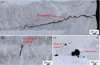 |
Fig. 9. Representative defects observed in low-density steel components fabricated using direct energy deposition additive manufacturing: (a) Delamination, (b) Solidification cracking, and (c) Process-induced lack of fusion porosity and entrapped gas porosity [70]. |
3 Concluding remarks and future outlook
Fe−Mn−Al−C low-density steels remain a highly promising alternative to conventional Fe−Cr−Ni stainless steels, offering notable advantages for automotive, aerospace, and biomedical applications. However, their widespread adoption depends on solving persistent processing challenges, especially those inherent to conventional ingot casting.
Future progress will rely on advancing beyond traditional melting routes. Priority research areas include:
Alloy design tailored for AM compatibility, addressing issues such as Mn/Al evaporation, metal carbide/intermetalics stability, and solidification cracking.
Process optimization in AM to minimize defects such as lack of fusion, porosity, undesirable carbides/intermetallics and unlock superior mechanical and corrosion performance.
Hybrid MA-SPS frameworks capable of producing ultrafine or nanostructured LDS microstructures unattainable by casting.
Near-net-shape casting innovations to reduce segregation, improve homogeneity, and enable complex geometries with minimal post-processing.
Advancing these areas will accelerate the transition from conventional waste-intensive, defect-prone manufacturing to high-efficiency, high-performance processing pathways. The future of LDS will depend on integrating these advanced techniques with informed alloy design strategies, enabling the production of next-generation lightweight steels with enhanced structural and functional capabilities.
Funding
This research received no external funding.
Conflicts of interest
The authors declare no conflict of interest.
Data availability statement
None.
Author contribution statement
O. J. Lawal. drafted the original manuscript and modified it during revision. M. O. Bodunrin, D. Klenam, S. S Lephuthing, and O. P. Apata helped edit the manuscript.
References
- G. Frommeyer, E.J. Drewes, B. Engl, Physical and mechanical properties of iron-aluminium-(Mn, Si) lightweight steels, Rev. Métallurgie 97 (2000) 1245–1253 [Google Scholar]
- G. Frommeyer, U. Brüx, Microstructures and mechanical properties of high-strength Fe-Mn-Al-C light-weight TRIPLEX steels, Steel Res. Int. 77 (2006) 627–633 [Google Scholar]
- C. Mapelli, S. Barella, A. Gruttadauria, D. Mombelli, M. Bizzozero, X.Y. Veys, Decomposition in Fe−Mn−Al−C lightweight steels, Mater. Res. Technol. 9 (2020) 4604–4616 [Google Scholar]
- R. Rana, Low-density steels, Miner. Met. Mater. Soc. 66 (2014) 1730–1733 [Google Scholar]
- S. bin Bai, Y. an Chen, X. Liu, H. hu Lu, P. kang Bai, D. zhao Li, Z. quan Huang, J. Yang Li, Research status and development prospect of Fe-Mn-C-Al system low-density steels, J. Mater. Res. Technol. 25 (2023) 1537–1559 [Google Scholar]
- M.A. Sohrabizadeh, Y. Mazaheri, M. Sheikhi, The effects of age hardening on tribological behavior of lightweight Fe-Mn-Al-C steel, Mater. Eng. Perform. 30 (2021) 4629–4640 [Google Scholar]
- J. Xiong, X. Zhang, Y. Wang, Research progress on ultra-low temperature steels: a review on their composition, microstructure, and mechanical properties, Metals (Basel). 13 (2023) 1–17 [Google Scholar]
- J. Moon, H.Y. Ha, K.W. Kim, S.J. Park, T.H. Lee, S.D. Kim, J.H. Jang, H.H. Jo, H.U. Hong, B.H. Lee et al., A new class of lightweight, stainless steels with ultra – high strength and large ductility, Sci. Rep. (2020) 1–10, https://doi.org/10.1038/s41598-020-69177-7 [Google Scholar]
- Chen, R. Rana, A. Haldar, R.K. Ray, Current state of Fe-Mn-Al-C low density steels, Prog. Mater. Sci. 89 (2017) 345–391 [Google Scholar]
- F. Czerwinski, Current trends in automotive lightweighting strategies and materials, Materials (Basel). 14 (2021), https://doi.org/10.3390/ma14216631 [Google Scholar]
- A. Mondal, D. Pilone, A. Brotzu, F. Felli, Effect of composition and heat treatment on the mechanical properties of Fe Mn Al steels, Frat. ed Integrita Strutt. 16 (2022) 624–633 [Google Scholar]
- R.A. Couperthwaite, L.A. Cornish, I.A. Mwamba, Cold-spray coating of an Fe-40 at.% Al alloy with additions of ruthenium, J. South. African Inst. Min. Metall. 116 (2016) 927–934 [Google Scholar]
- V.K. Sikka, D. Wilkening, J. Liebetrau, B. Mackey, Melting and casting of FeAl-based cast alloy, Mater. Sci. Eng. A 258 (1998) 229–235 [Google Scholar]
- J. Čapek, J. Kubásek, D. Vojtěch, E. Jablonská, J. Lipov, T. Ruml, Microstructural, mechanical, corrosion and cytotoxicity characterization of the hot forged FeMn30(Wt.%) alloy, Mater. Sci. Eng. C 58 (2016) 900–908 [Google Scholar]
- R. Kartikasari, M. Effendy, Surface characterization of Fe-10Al-25Mn alloy for biomaterial applications, J. Mater. Res. Technol. 15 (2021) 409–415 [Google Scholar]
- B. Wegener, B. Sievers, S. Utzschneider, P. Müller, V. Jansson, S. Rößler, B. Nies, G. Stephani, B. Kieback, P. Quadbeck, Microstructure, cytotoxicity and corrosion of powder-metallurgical iron alloys for biodegradable bone replacement materials, Mater. Sci. Eng. B 176 (2011) 1789–1796 [Google Scholar]
- P.C. Astudillo, A.F. Soriano, G.M. Barona Osorio, H. Sánchez Sthepa, J. Ramos, J.F. Durán, G.A. Pérez Alcázar, Comparative study of the mechanical and tribological properties of a hadfield and a fermanal steel, Hyperfine Interact. 238 (2017), https://doi.org/10.1007/s10751-017-1422-x [Google Scholar]
- R.A. Howell, D.C. Van Aken, A literature review of age hardening Fe-Mn-Al-C alloys, Iron Steel Technol. 6 (2009) 193–212 [Google Scholar]
- M. Sabzi, M. Farzam, Hadfield manganese austenitic steel: a review of manufacturing processes and properties, Mater. Res. Express 6 (2019), https://doi.org/10.1088/2053-1591/ab3ee3 [Google Scholar]
- P. Jimbert, T. Guraya, I. Kaltzakorta, T. Gutiérrez, R. Elvira, L. Tafaghodi Khajavi, Different phenomena encountered during dilatometry of low-density steels, J. Mater. Eng. Perform. 31 (2022) 2878–2888 [Google Scholar]
- S.P.O. Brien, J. Christudasjustus, L. Esteves, S. Vijayan, J.R. Jinschek, N. Birbilis, G.R. K, A low-cost, low-density, and corrosion resistant AlFeMnSi compositionally complex alloy, npj Mater. Degrad. (2021) 1–10, https://doi.org/10.1038/s41529-021-00158-5 [Google Scholar]
- M.B. Kannan, R.K.S. Raman, S. Khoddam, Comparative studies on the corrosion properties of a Fe-Mn-Al-Si steel and An., Corros. Sci. 50 (2008) 2879–2884 [Google Scholar]
- K.K. Ko, H.S. Son, C.H. Jung, H.J. Bae, E.H. Park, J.G. Kim, H. Choi, J.B. Seol, Manufacturing of Fe-Mn-Al-C based low Mn lightweight steel via direct energy deposition, J. Korean Powder Metall. Inst. 29 (2022) 320–324 [Google Scholar]
- M. Opiela, A. Grajcar, W. Krukiewicz, Corrosion behaviour of Fe-Mn-Si-Al austenitic steel in chloride solution, J. Achiev. Mater. Manuf. Eng. 33 (2009) 159–165 [Google Scholar]
- Y. Tang, B. Li, H. Shi, Y. Guo, S. Zhang, J. Zhang, X. Zhang, R. Liu, Simultaneous improvement of corrosion and wear resistance of Fe−Mn−Al−C lightweight steels: the role of Cr/Mo, Mater. Charact. 205 (2023) 1–16 [Google Scholar]
- W. He, B. lei Wang, Y. Yang, Y. hu Zhang, L. Duan, Z. ping Luo, C. jiang Song, Q. jie Zhai, Microstructure and mechanical behavior of a low-density Fe-12Mn-9Al-1.2C steel prepared using centrifugal casting under near-rapid solidification, J. Iron Steel Res. Int. 25 (2018) 830–838 [Google Scholar]
- S.-H. Li, P. Kumar, S. Chandra, U. Rhamamurty, Directed energy deposition of metals: processing, microstructures, and mechanical properties, Int. Mater. Rev. 68 (2023) 605–647 [Google Scholar]
- J. Moon, H.Y. Ha, S.J. Park, T.H. Lee, J.H. Jang, C.H. Lee, H.N. Han, H.U. Hong, Effect of Mo and Cr additions on the microstructure, mechanical properties and pitting corrosion resistance of austenitic Fe-30Mn-10.5Al-1.1C lightweight steels, J. Alloys Compd. 775 (2019) 1136–1146 [Google Scholar]
- G. Tsay, C. Lin, C. Chao, T. Liu, A new austenitic FeMnAlCrC alloy with high-strength, high-ductility, and moderate corrosion resistance, Mater. Trans. 51 (2010) 2318–2321 [Google Scholar]
- Y.H. Tuan, C.S. Wang, C.Y. Tsai, C.G. Chao, T.F. Liu, Corrosion behaviors of austenitic Fe- 30 Mn−7 Al−XCr−1 C alloys in 3.5% NaCl solution, Mater. Chem. Phys. J. 114 (2009) 595–598 [Google Scholar]
- C.S. Wang, C.Y. Tsai, C.G. Chao, T.F. Liu, Effect of chromium content on corrosion behaviors of Fe-9Al-30Mn-(3, 5, 6.5, 8)Cr-1C alloys, Mater. Trans. 48 (2007) 2973–2977 [Google Scholar]
- X. Xu, H. Cheng, W. Wu, Z. Liu, X. Li, Stress corrosion cracking behavior and mechanism of Fe-Mn-Al-C-Ni high specific strength steel in the marine atmospheric environment, Corros. Sci. 191 (2021) 109760 [Google Scholar]
- W. Aperador, S. Lizarazo, A. Mejia, Biomaterials based in fermanal steel, an option to the surgical implants manufacturing, Rev. Mex. Ing. Quim. 12 (2013) 337–344 [Google Scholar]
- Y.C. Chen, C.L. Lin, C.G. Chao, T.F. Liu, Excellent enhancement of corrosion properties of Fe-9AI-30Mn-1.8C Alloy in 3.5% NaCl and 10% HCl aqueous solutions using gas nitriding treatment, J. Alloys Compd. 633 (2015) 137–144 [Google Scholar]
- S.J. Hsueh, J.Y. Huang, C.G. Chao, J.Y. Juang, T.F. Liu, Mechanical behavior and electrochemical stability of gas-nitrided FeMnAlC Alloy in simulated body fluid, Mater. Lett. 216 (2018) 150–153 [Google Scholar]
- J. Chihuaque, C. Patiño-Carachure, J.O. Téllez-Vázquez, A. Torres-Islas, G. Rosas, Microstructural evaluation during mechanical alloying and air consolidation of Fe3Al+(Li, Ni and C) intermetallic, Acta Microsc. 19 (2010) 305–311 [Google Scholar]
- R. Gorejová, L. Haverová, R. Oriňaková, A. Oriňak, M. Oriňak, Recent advancements in Fe-based biodegradable materials for bone repair, J. Mater. Sci. 54 (2019) 1913–1947 [Google Scholar]
- K. Chauhan, J. Karloopia, R.S. Walia, M. Dhanda, Recent advances in magnesium alloys and its composites for bioimplant applications: processing, matrix, reinforcement, and corrosion perspectives, Crit. Rev. Solid State Mater. Sci. 0 (2024) 1–42 [Google Scholar]
- S. Gambaro, C. Paternoster, B. Occhionero, J. Fiocchi, C.A. Biffi, A. Tuissi, D. Mantovani, Mechanical and degradation behavior of three Fe-Mn-C alloys for potential biomedical applications, Mater. Today Commun. 27 (2021) 102250 [Google Scholar]
- K. Jaraba, A. Mahapatro, Influence of metal processing on microstructure and properties: implications for biodegradable metals—a mini review, Metals (Basel). 13 (2023) https://doi.org/10.3390/met13101635 [Google Scholar]
- Y. Li, J. Shen, F. Li, H. Yang, S. Kano, Y. Matsukawa, Y. Satoh, H. Fu, H. Abe, T. Muroga, Effects of fabrication processing on the microstructure and mechanical properties of oxide dispersion strengthening steels, Mater. Sci. Eng. A 654 (2016) 203–212 [Google Scholar]
- D. Carluccio, C. Xu, J. Venezuela, Y. Cao, D. Kent, M. Bermingham, A.G. Demir, B. Previtali, Q. Ye, M. Dargusch, Additively manufactured iron-manganese for biodegradable porous load-bearing bone scaffold applications, Acta Biomater. 103 (2020) 346–360 [Google Scholar]
- I.O. Felice, J. Shen, A.F.C. Barragan, I.A.B. Moura, B. Li, B. Wang, H. Khodaverdi, M. Mohri, N. Schell, E. Ghafoori et al., Wire and arc additive manufacturing of Fe-based shape memory alloys: microstructure, mechanical and functional behavior, Mater. Des. 231 (2023) 112004 [Google Scholar]
- I. Ferretto, D. Kim, W.J. Lee, E. Hosseini, N.M. della Ventura, A. Sharma, C. Sofras, J. Capek, E. Polatidis, C. Leinenbach, Shape memory and mechanical properties of a Fe-Mn-Si-based shape memory alloy: effect of crystallographic texture generated during additive manufacturing, Mater. Des. 229 (2023) 111928 [Google Scholar]
- F. Kies, P. Köhnen, M.B. Wilms, F. Brasche, K.G. Pradeep, A. Schwedt, S. Richter, A. Weisheit, J.H. Schleifenbaum, C. Haase, Design of high-manganese steels for additive manufacturing applications with energy-absorption functionality, Mater. Des. 160 (2018) 1250–1264 [Google Scholar]
- R. Seede, A. Whitt, J. Ye, S. Gibbons, P. Flater, B. Gaskey, A. Elwany, R. Arroyave, I. Karaman, A lightweight Fe-Mn-Al-C austenitic steel with ultra-high strength and ductility fabricated via laser powder bed fusion, Mater. Sci. Eng. A 874 (2023) 145007 [Google Scholar]
- W. Wang, N. Takata, A. Suzuki, M. Kobashi, M. Kato, Design of Al-Fe-Mn alloy for both high-temperature strength and sufficient processability of laser powder bed fusion, Addit. Manuf. 68 (2023) 103524 [Google Scholar]
- X. Yan, S. Gao, C. Chang, H. Liao, M. Liu, Microstructure and tribological property of selective laser melted Fe-Mn-Al-C alloy, Mater. Lett. 270 (2020) 127699 [Google Scholar]
- S.M. Zhu, M. Tamura, K. Sakamoto, K. Iwasaki, Characterization of Fe3Al-based intermetallic alloys fabricated by mechanical alloying and HIP consolidation, Mater. Sci. Eng. A 292 (2000) 83–89 [Google Scholar]
- P. Goudarzi, M. Moazami-Goudarzi, A. Masoudi, Sintering, microstructure and properties of absorbable Fe-Mn-XCu alloys, Mater. Chem. Phys. 287 (2022) 126368 [Google Scholar]
- A.S. Yadav, S.K. Rajulapati, S.R. Meka, Nitridation of Fe-2.3 Wt.% Al alloy powder and its compaction by spark plasma sintering, Mater. Today Proc. 5 (2018) 17239–17246 [Google Scholar]
- Y. Koizumi, T. Tanaka, Y. Minamino, N. Tsuji, K. Mizuuchi, Y. Ohkanda, Densification and structural evolution in spark plasma sintering process of mechanically alloyed nanocrystalline Fe-23Al-6C powder, Mater. Trans. 44 (2003) 1604–1612 [Google Scholar]
- F. Průša, D. Vojtěch, M. Bláhová, A. Michalcová, T.F. Kubatík, J. Čížek, Structure and mechanical properties of Al-Si-Fe alloys prepared by short-term mechanical alloying and spark plasma sintering, Mater. Des. 75 (2015) 65–75 [Google Scholar]
- I. Alhamdi, A. Algamal, A. Almotari, M. Ali, U. Gandhi, A. Qattawi, Fe-Mn-Al-Ni shape memory alloy additively manufactured via laser powder bed fusion, Crystals 13 (2023), https://doi.org/10.3390/cryst13101505 [Google Scholar]
- M. Attaran, The rise of 3-D printing: the advantages of additive manufacturing over traditional manufacturing, Bus. Horiz. 60 (2017) 677–688 [CrossRef] [Google Scholar]
- M. Izadi, A. Farzaneh, M. Mohammed, I. Gibson, B. Rolfe, A review of laser engineered net shaping (LENS) build and process parameters of metallic parts, Rapid Prototyp. J. 26 (2020) 1059–1078 [Google Scholar]
- S. Khaple, V.V. Satya Prasad, B.R. Golla, Microstructural characterisation of Ti containing Fe-7Al-0.35C based low-density steel, Trans. Indian Inst. Met. 71 (2018) 2713–2716 [Google Scholar]
- L. Liu, Z. Shen, Y. Yang, C. Song, Q. Zhai, Influence of Al and C on mechanical properties of subrapidly solidified Fe-20Mn-XAl-YC low-density steels, Charact. Miner. Met. Mater. 2016 (2016) 463–468 [Google Scholar]
- P. Rawat, U. Prakash, V.V. Satya Prasad, Creep in high Al ferrite based low density steel, Mater. Today Proc. 44 (2020) 4138–4142 [Google Scholar]
- Z. Xie, W. Hui, Y. Zhang, X. Zhao, Effect of Cu and solid solution temperature on microstructure and mechanical properties of Fe-Mn-Al-C low-density steels, J. Mater. Res. Technol. 18 (2022) 1307–1321 [Google Scholar]
- L. Zhang, R. Song, C. Zhao, F. Yang, Y. Xu, S. Peng, Evolution of the microstructure and mechanical properties of an austenite-ferrite Fe-Mn-Al-C steel, Mater. Sci. Eng. A 643 (2015) 183–193 [Google Scholar]
- C. Zhao, R. Song, L. Zhang, F. Yang, T. Kang, Effect of annealing temperature on the microstructure and tensile properties of Fe-10Mn-10Al-0.7C low-density steel, Mater. Des. 91 (2016) 348–360 [Google Scholar]
- J.M. Sanchez, I. Vicario, J. Albizuri, T. Guraya, E.M. Acuña, Design, microstructure and mechanical properties of cast medium entropy aluminium alloys, Sci. Rep. 9 (2019) 1–12 [Google Scholar]
- N. Haghdadi, M. Laleh, M. Moyle, S. Primig, Additive manufacturing of steels: a review of achievements and challenges, J. Mater. Sci. 56 (2021) 64–107 [Google Scholar]
- S.H. Wang, Z.Y. Liu, W.N. Zhang, G.D. Wang, J.L. Liu, G.F. Liang, Microstructure and mechanical property of strip in Fe-23Mn-3Si-3AI TWIP steel by twin roll casting, ISIJ Int. 49 (2009) 1340–1346 [Google Scholar]
- S.P. Chakraborty, I.G. Sharma, D.K. Bose, A study on the preparation of iron aluminium based intermetallic alloy by aluminothermic smelting technique, J. Alloys Compd. 280 (1998) 255–261 [Google Scholar]
- V.V. Satya Prasad, S. Khaple, R.G. Baligidad, Melting, processing, and properties of disordered Fe-Al and Fe-Al-C based alloys, Jom 66 (2014) 1785–1793 [Google Scholar]
- T.H. Kang, A.B. Kale, H.S. Kim, K.A. Lee, Wear properties of Fe-16Mn-10Al-5Ni-0.86C lightweight steel manufactured by laser powder bed fusion, Powder Metall. 66 (2023) 593–601 [Google Scholar]
- D. Bairagi, S. Mandal, A comprehensive review on biocompatible Mg-based alloys as temporary orthopaedic implants: current status, challenges, and future prospects, J. Magnes. Alloy. 10 (2022) 627–669 [Google Scholar]
- M. Rott, Y. Li, M. Koukolíková, M. Šípová, P. Salvetr, Z. Nový, G. Wolf, J. Džugan, In-situ directed energy deposition of Al based low density steel for automotive applications, Sci. Rep. 13 (2023) 1–9 [CrossRef] [Google Scholar]
- C. Song, W. Lu, K. Xie, Y. Zhang, W. Xia, K. Han, Q. Zhai, Microstructure and mechanical properties of sub-rapidly solidified Fe-18wt%Mn-C alloy strip, Mater. Sci. Eng. A 610 (2014) 145–153 [Google Scholar]
- O.A. Zambrano, A general perspective of Fe-Mn-Al-C steels, J. Mater. Sci. 53 (2018) 14003–14062 [Google Scholar]
- C.S. Mahlami, X. Pan, An overview on high manganese steel casting, in: 71st World Foundry Congr. Adv. Sustain. Foundry, WFC 2014, 2014 [Google Scholar]
- J.H. Shin, J.Y. Song, S.D. Kim, S.J. Park, Y.W. Ma, J.W. Lee, Microstructure, tensile, and fatigue properties of large-scale austenitic lightweight steel, Materials (Basel). 15 (2022), https://doi.org/10.3390/ma15248909 [Google Scholar]
- L. Liu, C. Li, Y. Yang, Z. Luo, C. Song, Q. Zhai, A simple method to produce austenite-based low-density Fe-20Mn-9Al-0.75C steel by a near-rapid solidification process, Mater. Sci. Eng. A 679 (2017) 282–291 [Google Scholar]
- M. Opiela, G. Fojt-Dymara, Hot ductility of high-Mn steel with niobium and titanium, Adv. Sci. Technol. Res. J. 18 (2024) 200–213 [Google Scholar]
- C. Huang, C. Hu, Y. Liu, Z. Liang, M. Huang, Recent developments and perspectives of advanced high-strength medium Mn steel: from material design to failure mechanisms, Mater. Futur. 1 (2022), https://doi.org/10.1088/2752-5724/ac7fae [Google Scholar]
- S. Pramanik, S. Suwas, Effect of Cr and Mn addition on the microstructure, texture, and mechanical properties of ternary low-density steels, J. Mater. Eng. Perform. 29 (2020) 4435–4445 [Google Scholar]
- J. Xia, T. Omori, R. Kainuma, Abnormal grain growth in Fe-Mn-Al-Ni shape memory alloy with higher Al content, Scr. Mater. 187 (2020) 355–359 [Google Scholar]
- M. Daamen, C. Haase, J. Dierdorf, D.A. Molodov, G. Hirt, Twin-roll strip casting: a competitive alternative for the production of high-manganese steels with advanced mechanical properties, Mater. Sci. Eng. A 627 (2015) 72–81 [CrossRef] [Google Scholar]
- M. Mohammadnezhad, V. Javaheri, M.N. Seftejani, M. Mohammadnezhad, V. Javaheri, M. Naseri, Effect of the molybdenum on the microstructural and mechanical properties of hadfield austenitic manganese steel genome of steel-physics for strong, tough and sustainable steel view project alloy developement view project effect of the molybdenum on the M, 2013 [Google Scholar]
- J. Moon, S.J. Park, J.H. Jang, T.H. Lee, C.H. Lee, H.U. Hong, H.N. Han, J. Lee, B.H. Lee, C. Lee, Investigations of the microstructure evolution and tensile deformation behavior of austenitic Fe−Mn−Al−C lightweight steels and the effect of Mo addition, Acta Mater. 147 (2018) 226–235 [Google Scholar]
- H.Y. Ha, K.W. Kim, S.J. Park, T.H. Lee, H. Park, J. Moon, H.U. Hong, C.H. Lee, Effects of Cr on pitting corrosion resistance and passive film properties of austenitic Fe-19Mn-12Al-1.5 C lightweight steel, Corros. Sci. 206 (2022) 110529 [Google Scholar]
- M. Javidani, D. Larouche, Application of cast Al-Si alloys in internal combustion engine components, Int. Mater. Rev. 59 (2014) 132–158 [CrossRef] [Google Scholar]
- I. Vaibhav, S. Madhukar, Defects, root causes in casting process and their remedies: review, J. Eng. Res. Appl. 9 (2017) 24–29 [Google Scholar]
- M. Narasimha, S. Ramesh, Metal casting defects and prevention, Int. J. Eng. Technol. Res. 2 (2014) 12–22 [Google Scholar]
- J. Desai, V. Parikh, T. Shah, Reducing porosity for alloy steel casting, Int. J. Eng. Res. Technol. 2 (2013) 871–874 [Google Scholar]
- M. Daamen, S. Richter, G. Hirt, Microstructure analysis of high-manganese TWIP steels produced via strip casting, Key Eng. Mater. 554–557 (2013) 553–561 [Google Scholar]
- C. Slater, N. Hollyhoke, C. Davis, The influence of alloy composition on the As-cast grain structure in near net shape low-density steels, Ironmak. Steelmak. 46 (2019) 725–730 [Google Scholar]
- D.L. Josh, D.S. Easton, C.T. Liu, S.S. Babu, S.A. David, Processing of Fe 3 Al and FeAl alloys by reaction synthesis, Intermetallics 3 (1995) 467–481 [Google Scholar]
- D. Marini, J.R. Corney, A methodology for near net shape process feasibility assessment, Prod. Manuf. Res. 5 (2017) 390–409 [Google Scholar]
- C. Slater, C. Davis, Near net shape casting: is it possible to cast too thin? Metall. Mater. Trans. B Process Metall. Mater. Process. Sci. 51 (2020) 2532–2541 [Google Scholar]
- S.E. Fashu, Progress in net and near net shape manufacturing of metallic components using the ohno continuous casting (OCC) process, J. Mater. Sci. Eng. 8 (2019) 1–7 [Google Scholar]
- W. Voice, Net-shape processing applied to aero-engine components, Manuf. Technol. (2020) 1–12 [Google Scholar]
- R. Cominotti, E. Gentili, Near net shape technology: an innovative opportunity for the automotive industry, Robot. Comput. Integr. Manuf. 24 (2008) 722–727 [Google Scholar]
- B.P. Bewlay, M.F.X. Gigliotti, C.U. Hardwicke, O.A. Kaibyshev, F.Z. Utyashev, G.A. Salischev, Net-shape manufacturing of aircraft engine disks by roll forming and hot die forging, J. Mater. Process. Technol. 135 (2003) 324–329 [Google Scholar]
- R.A. Couperthwaite, L.A. Cornish, I.A. Mwamba, M.J. Papo, Effect of processing route on the microstructure and properties of an Fe-Al alloy with additions of precious metal, Mater. Today Proc. 2 (2015) 3932–3942 [Google Scholar]
- A. Canakci, F. Erdemir, T. Varol, S. Ozkaya, Formation of Fe-Al intermetallic coating on low-carbon steel by a novel mechanical alloying technique, Powder Technol. 247 (2013) 24–29 [Google Scholar]
- J. Gu, S. Gu, L. Xue, S. Wu, Y. Yan, Microstructure and mechanical properties of in-situ Al13Fe4/Al composites prepared by mechanical alloying and spark plasma sintering, Mater. Sci. Eng. A 558 (2012) 684–691 [Google Scholar]
- M. Krasnowski, T. Kulik, Nanocomposites obtained by mechanical alloying in Fe-Al-Ti-C system, J. Alloys Compd. 448 (2008) 227–233 [Google Scholar]
- L. D’Angelo, L. D’Onofrio, G. Gonzalez, Nanophase intermetallic FeAl obtained by sintering after mechanical alloying, J. Alloys Compd. 483 (2009) 154–158 [Google Scholar]
- C. Haase, J. Bültmann, J. Hof, S. Ziegler, S. Bremen, C. Hinke, A. Schwedt, U. Prahl, W. Bleck, Exploiting process-related advantages of selective laser melting for the production of high-manganese steel, Materials (Basel). 10 (2017) 1–14 [Google Scholar]
- J. Liu, T. Xie, Y. Xie, L. Xiao, Y. Lin, Microstructure and mechanical properties of Fe −30 Mn−9 Al−C−3 Ni low-density steel manufactured by selective laser melting, 33 (2024) 4280–4289 [Google Scholar]
- D.R. Manca, A.Y. Churyumov, A.V. Pozdniakov, D.K. Ryabov, V.A. Korolev, D.K. Daubarayte, Novel heat-resistant Al-Si-Ni-Fe alloy manufactured by selective laser melting, Mater. Lett. 236 (2019) 676–679 [Google Scholar]
- R. Seede, D. Shoukr, B. Zhang, A. Whitt, S. Gibbons, P. Flater, A. Elwany, R. Arroyave, I. Karaman, An ultra-high strength martensitic steel fabricated using selective laser melting additive manufacturing: densification, microstructure, and mechanical properties, Acta Mater. 186 (2020) 199–214 [Google Scholar]
- J. Zhang, C. Hu, Y. Liu, Y. Zhang, C. Song, Q. Zhai, Microstructure, mechanical properties and deformation behavior of Cr-containing triplex low-density steels with different C content, J. Mater. Res. Technol. 23 (2023) 6075–6089 [Google Scholar]
- J. Zhang, C. Hu, Y. Zhang, J. Li, C. Song, Q. Zhai, Microstructures, mechanical properties and deformation of near-rapidly solidified low-density Fe-20Mn-9Al-1.2C-XCr steels, Mater. Des. 186 (2020) 1–13 [Google Scholar]
- P. Novák, T. Vanka, K. Nová, J. Stoulil, F. Pruša, J. Kopeček, P. Haušild, F. Laufek, Structure and properties of Fe-Al-Si alloy prepared by mechanical alloying, Materials (Basel). 12 (2019) 1–18 [Google Scholar]
- M. Zawrah, L. Shaw, Microstructure and hardness of nanostructured Al-Fe-Cr-Ti alloys through mechanical alloying, Mater. Sci. Eng. A 355 (2003) 37–49 [Google Scholar]
- M.S. El-eskandarany, Mechanical alloying for fabrication of advanced engineering materials. New York, USA: William Andrew Publishing, 2001, ISBN 081551462X [Google Scholar]
- C. Suryanarayana, Mechanical alloying: a novel technique to synthesize advanced materials, Research 2019 (2019) 1–17 [Google Scholar]
- W. Pilarczyk, R. Nowosielski, M. Jodkowski, K. Labisz, H. Krztoñ, Structure and properties of Al 67 Ti 25 Fe 8 alloy obtained by mechanical alloying, Arch. Mater. Sci. Eng. 31 (2008) 29–32 [Google Scholar]
- M. Krifa, M. Mhadhbi, L. Escoda, J. Saurina, J.J. Suñol, N. Llorca-Isern, C. Artieda-Guzmán, M. Khitouni, Phase transformations during mechanical alloying of Fe-30% Al-20% Cu, Powder Technol. 246 (2013) 117–124 [Google Scholar]
- G.H. Fair, V. Wood, Mechanical alloying of iron-aluminium intermetallics, Powder Metall. 36 (1993) 123–128 [Google Scholar]
- M. Vaidya, G.M. Muralikrishna, B.S. Murty, High-entropy alloys by mechanical alloying: a review, J. Mater. Res. 34 (2019) 664–686 [Google Scholar]
- M.C. Gao, P.K. Liaw, J.W. Yeh, Y. Zhang, High-entropy alloys: fundamentals and applications. Switzerland: Springer International Publishing, 2016; ISBN 9783319270135 [Google Scholar]
- H. Liu, W. Tang, Y. Wang, C. Liu, G. Xu, Z. Zheng, Structural evolutions of the Fe-40Al-5Cr powders during mechanical alloying and subsequent heat treatment, J. Alloys Compd. 506 (2010) 963–968 [Google Scholar]
- K. Wolski, G. Le Caër, P. Delcroix, R. Fillit, F. Thévenot, J. Le Coze, Influence of milling conditions on the FeAl intermetallic formation by mechanical alloying, Mater. Sci. Eng. A 207 (1996) 97–104 [Google Scholar]
- M. Baig, H. Rizk, A. Hossain, A thermo-mechanical responses of nanocrystalline Al – Fe alloy processed using mechanical alloying and high frequency heat induction sintering, Mater. Sci. Eng. A 655 (2016) 132–141 [Google Scholar]
- M. Krasnowski, H. Matyja, Structural investigations of the Al50Fe25Ti25 powder mixture mechanically alloyed under various conditions, J. Alloys Compd. 319 (2001) 296–302 [Google Scholar]
- C. Suryanarayana, N. Al-Aqeeli, Mechanically alloyed nanocomposites, Prog. Mater. Sci. 58 (2013) 383–502 [Google Scholar]
- S.E. Haghighi, K. Janghorban, S. Izadi, Structural evolution of Fe-50 at.% Al powders during mechanical alloying and subsequent annealing processes, J. Alloys Compd. 495 (2010) 260–264 [Google Scholar]
- M. Ghadimi, A. Shokuhfar, H.R. Rostami, M. Ghaffari, Effects of milling and annealing on formation and structural characterization of nanocrystalline intermetallic compounds from Ni-Ti elemental powders, Mater. Lett. 80 (2012) 181–183 [Google Scholar]
- F. Hadef, A. Otmani, A. Djekoun, J.M. Grenèche, The formation mechanism of mechanically alloyed Fe-20 At% Al powder, J. Magn. Magn. Mater. 326 (2013) 261–265 [Google Scholar]
- P. Novák, T. Kubatík, J. Vystrčil, R. Hendrych, J. Kříž, J. Mlynár, D. Vojtěch, Powder metallurgy preparation of Al-Cu-Fe quasicrystals using mechanical alloying and spark plasma sintering, Intermetallics 52 (2014) 131–137 [Google Scholar]
- Z. Kong, Z. Wang, B. Chen, Y. Li, R. Li, Effect of ball milling time on the microstructure and properties of high-silicon-aluminum composite, Materials (Basel). 16 (2023) 1–14 [Google Scholar]
- P. Haušild, J. Čech, V. Kadlecová, M. Karlík, F. Průša, K. Nová, P. Novák, J. Kopeček, Technological aspects of Fe-Al-Si intermetallic alloy preparation by mechanical alloying, Key Eng. Mater. 810 KEM (2019) 101–106 [Google Scholar]
- P. Nováka, F. Průša, K. Nová, A. Bernatiková, P. Salvetr, J. Kopeček, P. Haušild, Application of mechanical alloying in synthesis of intermetallics, Acta Phys. Pol. A 134 (2018) 720–723 [Google Scholar]
- K. Nová, P. Novák, F. Průša, J. Kopeček, J. Čech, Synthesis of intermetallics in Fe-Al-Si system by mechanical alloying, Metals (Basel). 9 (2019), https://doi.org/10.3390/met9010020 [Google Scholar]
- O.N.C. Uwakweh, Z. Liu, Kinetics and phase transformation evaluation of Fe-Zn-Al mechanically alloyed phases, Metall. Mater. Trans. A Phys. Metall. Mater. Sci. 28A (1997) 517–525 [Google Scholar]
- D.A. Eelman, J.R. Dahn, G.R. MacKay, R.A. Dunlap, An investigation of mechanically alloyed Fe-Al, J. Alloys Compd. 266 (1998) 234–240 [Google Scholar]
- S.M. Zhu, K. Iwasaki, Characterization of mechanically alloyed ternary Fe-Ti-Al powders, Mater. Sci. Eng. A 270 (1999) 170–177 [Google Scholar]
- W.M. Tang, Z.X. Zheng, H.J. Tang, R. Ren, Y.C. Wu, Structural evolution and grain growth kinetics of the Fe-28Al elemental powder during mechanical alloying and annealing, Intermetallics 15 (2007) 1020–1026 [Google Scholar]
- M. Zarezadeh Mehrizi, A. Saidi, M. Shamanian, Fe3Al/TiC nanocomposite produced by mechanical alloying, Powder Metall. 54 (2011) 408–411 [Google Scholar]
- H.I. Gharsallah, A. Sekri, M. Azabou, L. Escoda, J.J. Suñol, M. Khitouni, Structural and thermal study of nanocrystalline Fe-Al-B alloy prepared by mechanical alloying, Metall. Mater. Trans. A Phys. Metall. Mater. Sci. 46 (2015) 3696–3704 [Google Scholar]
- D. Panda, P. Bhuyan, L. Kumar, S.N. Alam, Synthesis of Fe 3 Al intermetallic compound by mechanical alloying, Arab. J. Sci. Eng. 42 (2017) 4427–4437 [Google Scholar]
- H.I. Gharsallah, M. Azabou, L. Escoda, J.J. Suñol, I. López, N. Llorca-Isern, M. Khitouni, The magnetic and structural properties of nanostructured (Fe75Al25) 100-XBx alloys prepared by mechanical alloying, J. Alloys Compd. 729 (2017) 776–786 [Google Scholar]
- P. Haušild, M. Karlík, J. Čech, F. Průša, K. Nová, P. Novák, P. Minárik, J. Kopeček, Preparation of Fe-Al-Si intermetallic compound by mechanical alloying and spark plasma sintering, Acta Phys. Pol. A 134 (2018) 724–728 [Google Scholar]
- P. Novák, Z. Barták, K. Nová, F. Průša, Effect of nickel and titanium on properties of Fe-Al-Si alloy prepared by mechanical alloying and spark plasma sintering, Materials (Basel). 13 (2020) 1–14 [Google Scholar]
- V.K. Jain, M.K. Yadav, A.N. Siddiquee, Z.A. Khan, C. Sharma, Synthesis of Fe-Al intermetallic by mechanical alloying process, J. Inst. Eng. Ser. D 103 (2022) 621–628 [Google Scholar]
- M. Sinha, S. Ahad, A.K. Chaudhry, S. Ghosh, Kinetic constraints of δ-ferrite to the formation of kappa (κ) carbide in a Fe-4Mn-9Al-0.3C Wt Pct low-density steel, Metall. Mater. Trans. A Phys. Metall. Mater. Sci. 51 (2020) 809–817 [Google Scholar]
- X. Lingzhi, X. Zhigang, Q. Yunzhe, L. Jinrong, H. Peng, S. Qiang, W. Chuanbin, Effect of ball milling time on the microstructure and compressive properties of the Fe-Mn-Al porous steel, Int. J. Miner., Metall. Mater. 30 (2023) 917–929 [Google Scholar]
- N. Rahulan, S.S. Sharma, N. Rakesh, R. Sambhu, A short review on mechanical properties of SLM titanium alloys based on recent research works, Mater. Today Proc. 56 (2022) A7-A12 [Google Scholar]
- A. Andreu, S. Kim, I. Kim, J.H. Kim, J. Noh, S. Lee, W. Lee, P.C. Su, Y.J. Yoon, Processing challenges and delamination prevention methods in titanium-steel DED 3D printing, Int. J. Precis. Eng. Manuf. – Green Technol. (2024), https://doi.org/10.1007/s40684-024-00598-9 [Google Scholar]
- Č. Donik, J. Kraner, A. Kocijan, I. Paulin, M. Godec, Evolution of the ɛ and γ phases in biodegradable Fe-Mn alloys produced using laser powder-bed fusion, Sci. Rep. 11 (2021) 1–10 [NASA ADS] [CrossRef] [Google Scholar]
- C. Sun, Y. Wang, M.D. McMurtrey, N.D. Jerred, F. Liou, J. Li, Additive manufacturing for energy: a review, Appl. Energy 282 (2021), https://doi.org/10.1016/j.apenergy.2020.116041 [Google Scholar]
- C. Sun, Y. Wang, M.D. McMurtrey, N.D. Jerred, F. Liou, J. Li, Additive manufacturing for energy: a review, Appl. Energy 282 (2021), https://doi.org/10.1016/j.apenergy.2020.116041 [Google Scholar]
- L. Del-Río, M.L. Nó, R. Gómez, L. García-Sesma, E. Urionabarrenetxea, P. Ortega, A.M. Mancisidor, M. San Sebastian, N. Burgos, J.M. San Juan, Additive manufacturing of Fe-Mn-Si-based shape memory alloys: state of the art, challenges and opportunities, Materials (Basel). 16 (2023), https://doi.org/10.3390/ma16247517 [Google Scholar]
- T.M. Pollock, A.J. Clarke, S.S. Babu, Design and tailoring of alloys for additive manufacturing, Metall. Mater. Trans. A Phys. Metall. Mater. Sci. 51 (2020) 6000–6019 [Google Scholar]
- S.I. Shakil, L. González-Rovira, L. Cabrera-Correa, J. de Dios López-Castro, M. Castillo-Rodríguez, F.J. Botana, M. Haghshenas, Insights into laser powder bed fused scalmalloy®: investigating the correlation between micromechanical and macroscale properties, J. Mater. Res. Technol. 25 (2023) 4409–4424 [Google Scholar]
- C. Turangi, F. Häslich, M. Schaefer, J. Nomani, T. Pasang, U. Jehring, T. Weißgärber, Mechanical properties and microstructure of cold-rolled scalmalloy® (Al-4.5Mg-0.6Sc-0.3Zr Alloy) at a low reduction in thickness, J. Phys. Conf. Ser. 2345 (2022) 0–8 [Google Scholar]
- X. Niu, S. Singh, A. Garg, H. Singh, B. Panda, X. Peng, Q. Zhang, Review of materials used in laser-aided additive manufacturing processes to produce metallic products, Front. Mech. Eng. 14 (2019) 282–298 [Google Scholar]
- P. Renner, S. Jha, Y. Chen, A. Raut, S.G. Mehta, H. Liang, A review on corrosion and wear of additively manufactured alloys, J. Tribol. 143 (2021) 1–18 [Google Scholar]
- D.R. dos Santos, V.A. Rodrigues Henriques, C.A. Alves Cairo, M. dos Santos Pereira, Production of a low young modulus titanium alloy by powder metallurgy, Mater. Res. 8 (2005) 439–442 [Google Scholar]
- Y.P. Feng, N. Gaztelumendi, J. Fornell, H.Y. Zhang, P. Solsona, M.D. Baró, S. Suriñach, E. Ibáñez, L. Barrios, E. Pellicer et al., Mechanical properties, corrosion performance and cell viability studies on newly developed porous Fe-Mn-Si-Pd alloys, J. Alloys Compd. 724 (2017) 1046–1056 [Google Scholar]
- Y.L. Hao, S.J. Li, R. Yang, Biomedical titanium alloys and their additive manufacturing, Rare Met. 35 (2016) 661–671 [Google Scholar]
- N. Soni, G. Renna, P. Leo, Advancements in metal processing additive technologies: selective laser melting (SLM), Metals (Basel). 14 (2024) 1–67 [Google Scholar]
- C. Zhuang, Z. Xu, S. Huang, Y. Xia, C. Wang, Q. Shen, In situ synthesis of a porous high-mn and high-Al steel by a novel two-step pore-forming technique in vacuum sintering, J. Mater. Sci. Technol. 39 (2020) 82–88 [Google Scholar]
- P. Liu, D. Zhang, Y. Dai, J. Lin, Y. Li, C. Wen, Microstructure, mechanical properties, degradation behavior, and biocompatibility of porous Fe-Mn alloys fabricated by sponge impregnation and sintering techniques, Acta Biomater. 114 (2020) 485–496 [Google Scholar]
- H.D. Nguyen, A. Pramanik, A.K. Basak, Y. Dong, C. Prakash, S. Debnath, S. Shankar, I.S. Jawahir, S. Dixit, D. Buddhi, A critical review on additive manufacturing of Ti-6Al-4V alloy: microstructure and mechanical properties, J. Mater. Res. Technol. 18 (2022) 4641–4661 [Google Scholar]
- S. Picak, M.W. Vaughan, O. El Atwani, A. Mott, K.R. Limmer, I. Karaman, Effects of chemical segregation on ductility-anisotropy in high strength Fe-Mn-Al-C lightweight austenitic steels, Acta Mater. 245 (2023) 118589 [Google Scholar]
- J. Niu, G. Dai, Y. Guo, Z. Sun, Z. Dan, Y. Dong, H. Chang, I.V. Alexandrov, L. Zhou, Microstructure and mechanical properties of B modified Ti-Fe alloy manufactured by casting, forging and laser melting deposition, Compos. Part B Eng. 216 (2021) 108854 [Google Scholar]
- X. Zhang, H. Xu, Z. Li, A. Dong, D. Du, L. Lei, G. Zhang, D. Wang, G. Zhu, B. Sun, Effect of the scanning strategy on microstructure and mechanical anisotropy of hastelloy X superalloy produced by laser powder bed fusion, Mater. Charact. 173 (2021) 110951 [Google Scholar]
- H.Y. Wan, Z.J. Zhou, C.P. Li, G.F. Chen, G.P. Zhang, Effect of scanning strategy on mechanical properties of selective laser melted inconel 718, Mater. Sci. Eng. A 753 (2019) 42–48 [Google Scholar]
- Y. Song, Q. Sun, K. Guo, X. Wang, J. Liu, J. Sun, Effect of scanning strategies on the microstructure and mechanical behavior of 316L stainless steel fabricated by selective laser melting, Mater. Sci. Eng. A 793 (2020) 139879 [Google Scholar]
- J. Stef, A. Poulon-Quintin, A. Redjaimia, J. Ghanbaja, O. Ferry, M. De Sousa, M. Gouné, Mechanism of porosity formation and influence on mechanical properties in selective laser melting of Ti-6Al-4V parts, Mater. Des. 156 (2018) 480–493 [Google Scholar]
- P. Köhnen, S. Ewald, J.H. Schleifenbaum, A. Belyakov, C. Haase, Controlling microstructure and mechanical properties of additively manufactured high-strength steels by tailored solidification, Addit. Manuf. 35 (2020) 101389 [Google Scholar]
- W. Li, J. Li, X. Duan, C. He, Q. Wei, Y. Shi, Dislocation-induced ultra-high strength in a novel steel fabricated using laser powder-bed-fusion, Mater. Sci. Eng. A 832 (2022) 142502 [Google Scholar]
- S.A.H. Motaman, C. Haase, The microstructural effects on the mechanical response of polycrystals: a comparative experimental-numerical study on conventionally and additively manufactured metallic materials, Int. J. Plast. 140 (2021) 102941 [Google Scholar]
- T. Niendorf, F. Brenne, P. Krooß, M. Vollmer, J. Günther, D. Schwarze, H. Biermann, Microstructural evolution and functional properties of Fe-Mn-Al-Ni shape memory alloy processed by selective laser melting, Metall. Mater. Trans. A Phys. Metall. Mater. Sci. 47 (2016) 2569–2573 [Google Scholar]
- S. Bland, N.T. Aboulkhair, Reducing porosity in additive manufacturing, Met. Powder Rep. 70 (2015) 79–81 [Google Scholar]
- P.R. Sreeraj, S.K. Mishra, P.K. Singh, A review on non-destructive evaluation and characterization of additively manufactured components, Prog. Addit. Manuf. 7 (2022) 225–248 [Google Scholar]
- A.K. Agrawal, D.J. Thoma, High-throughput surface characterization to identify porosity defects in additively manufactured 316L stainless steel, Addit. Manuf. Lett. 3 (2022) 100093 [Google Scholar]
- S. Sinha, T. Mukherjee, Mitigation of gas porosity in additive manufacturing using experimental data analysis and mechanistic modeling, Materials (Basel). 17 (2024), https://doi.org/10.3390/ma17071569 [Google Scholar]
- E. Hernández-Nava, P. Mahoney, C.J. Smith, J. Donoghue, I. Todd, S. Tammas-Williams, Additive manufacturing titanium components with isotropic or graded properties by hybrid electron beam melting/hot isostatic pressing powder processing, Sci. Rep. 9 (2019) 1–11 [Google Scholar]
Cite this article as: Olatunde Johnson Lawal, Peter Apata Olubambi, Desmond Klenam, Michael Bodunrin, Senzeni Sipho Lephuthing, A review on low-density steels: effect of processing techniques and parameters on microstructure, and mechanical properties, Manufacturing Rev. 13, 8 (2026), https://doi.org/10.1051/mfreview/2025031
All Tables
Summary of process–microstructure–property map between traditional and advanced fabrication methods for LDS.
Summary of comparative analysis of manufacturing techniques between traditional and advanced fabrication methods for LDS.
Summary of microstructure-related mechanical properties of LDS fabricated by different processing techniques.
Shows process parameters and media used for the fabrication of LDS using mechanical milling.
Shows some of the process parameters used for the fabrication of LDS using Selective laser sintering.
All Figures
|
Fig. 1 Schematic representation of a typical conventional thermomechanical processing route for low-density steels. |
| In the text | |
|
Fig. 2 SEM micrographs showing the evolution of secondary phases in Fe−Mn−Al−C low-density steel when Cr(e and f) and Mo content were added beyond the recommended threshold [82,83]. |
| In the text | |
|
Fig. 3 SEM micrographs showing the influence of solid-state sintering on the resulting microstructure of mechanically alloyed Fe3 Al-based alloys with different alloying elements [36]. |
| In the text | |
|
Fig. 4 Microstructure of the Fe10 Al10 Cu30 alloy powder prepared by mechanical alloying (a) for 90 min, and (b) for 120 min [125]. |
| In the text | |
|
Fig. 5 SEM micrographs of compacted and polished powder samples illustrating the effect of milling duration on particle morphology and surface characteristics after (a) 15 min, (b) 1 h, and (c) 80 h of milling [122]. |
| In the text | |
|
Fig. 6 Microstructure of the powder mixture of Fe, Al, and Cu milled for (a) 0 h, (b) 6 h, (c) 30 h, and (d) 42 h [113]. |
| In the text | |
|
Fig. 7 SEM micrograph showing residual pores formed during the solid-state sintering of the alloy sample at 1000° C[141]. |
| In the text | |
|
Fig. 8 Microstructural features of Fe−16.4Mn−10Al−5Ni−1.5C low-density steel fabricated by laser-based additive manufacturing at different scanning speeds. Panels (a-c) show the XY-plane microstructures of samples processed at scanning speeds of V0.5, V0.4, and V0.28 m/s, panels (d-f) provide enlarged views of the corresponding XY regions and panels (g-i) depict the YZ-plane microstructures for the same scanning speeds (V0.5, V0.4, and V0.28 m/s) [48]. |
| In the text | |
|
Fig. 9. Representative defects observed in low-density steel components fabricated using direct energy deposition additive manufacturing: (a) Delamination, (b) Solidification cracking, and (c) Process-induced lack of fusion porosity and entrapped gas porosity [70]. |
| In the text | |
Current usage metrics show cumulative count of Article Views (full-text article views including HTML views, PDF and ePub downloads, according to the available data) and Abstracts Views on Vision4Press platform.
Data correspond to usage on the plateform after 2015. The current usage metrics is available 48-96 hours after online publication and is updated daily on week days.
Initial download of the metrics may take a while.